
HandsOn
Understanding made simple
Project
001
HandsOn
A design exploration in enhancing communication between hearing and hearing-Impaired
Deaf individuals rely on visual cues for communication and awareness, making it hard to perceive auditory information. While sign language is a core part of their identity, current solutions focus on translation rather than understanding. There is a need for tools that improve their situational awareness and comprehension.
Info
002
Timeline
04 Months
Tools
Figma
Premier Pro
Unreal
Python
Overview
003
Problem
Deaf individuals face challenges in sensing and responding to auditory or non-visual cues. Current solutions focus on expression but neglect cognitive understanding and awareness. This creates a gap in communication and interaction with their environment.
Objective
To develop an API that integrates with existing and future technologies, enabling more inclusive communication for everyone. The solution aims to bridge the gap between hearing and Deaf individuals, fostering better understanding and interaction.
Sweekar School
004
User Shadowing
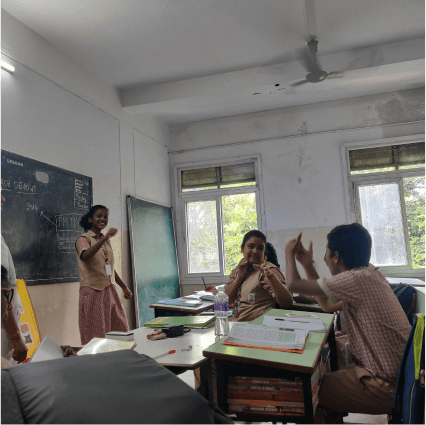
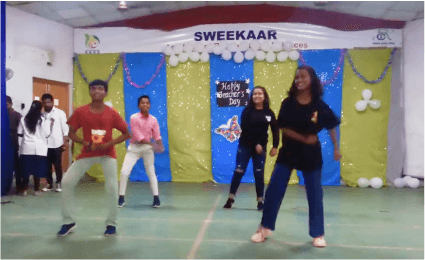
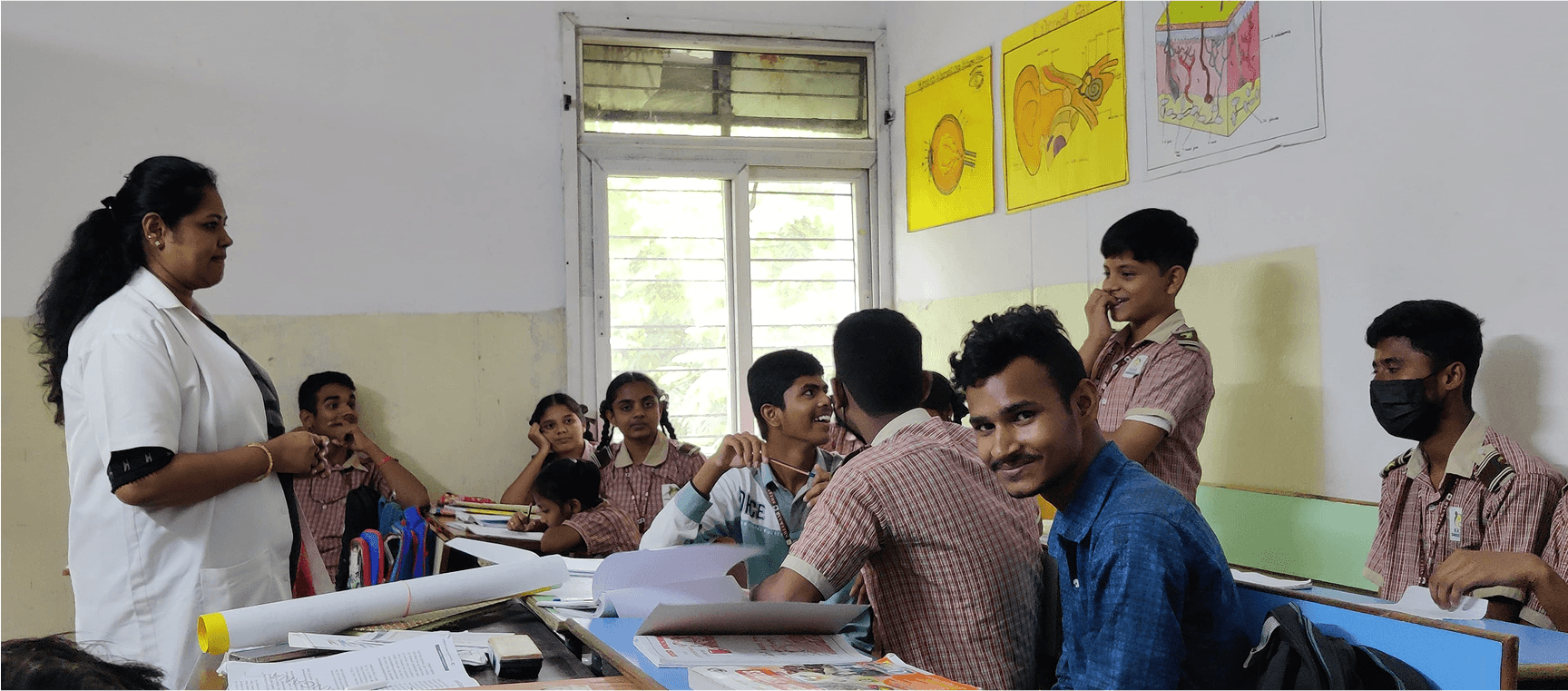
A month-long user shadowing study at Sweekar Deaf School, observing students across various age groups from 2nd to 12th standard. This period coincided with a field visit by final-year B.Ed. Special Education students from Osmania University, enabling diverse interactions to be observed.
Solution
005
Handson Positioning
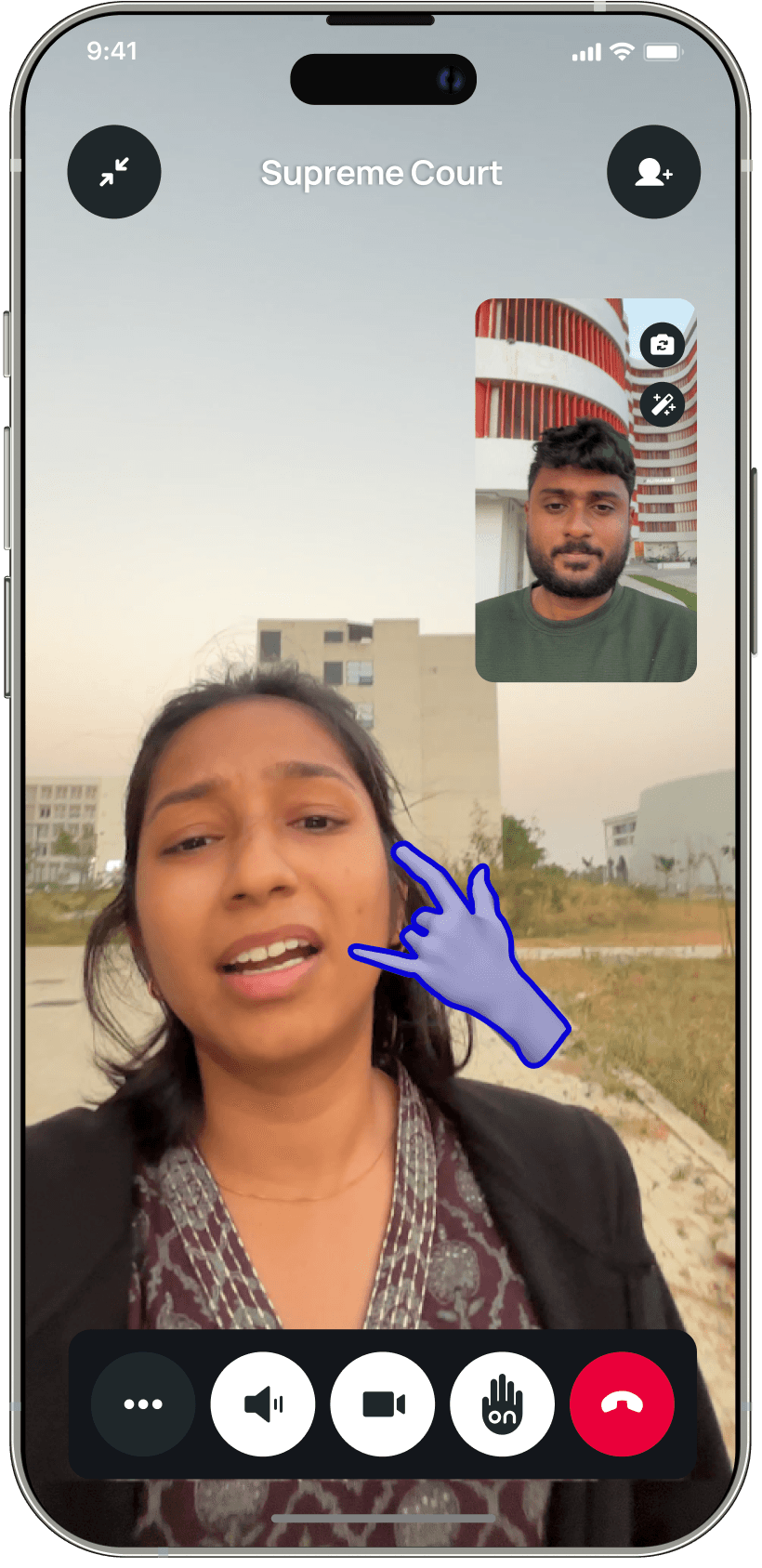
Handson positions itself as an innovative solution in the assistive technology market, focusing on inclusivity and accessibility. Unlike traditional devices that primarily translate sign language into speech, Handson aims to enhance cognitive understanding and situational awareness for Deaf individuals. By offering an API compatible with existing and future technologies, it bridges the gap between communication tools and user needs, ensuring seamless integration and broader adoption across industries.
Handson tech Applications
A
Augmented Reality Glasses
B
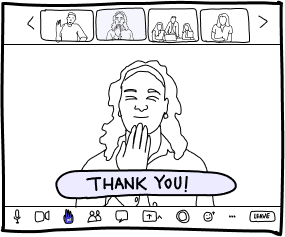
Video Calling Applications
C
Youtube and E- Learning Platforms
D
Public Spaces via Transparent Screens
Approach
006
Why voice should be translated to
Sign Language Instead of Text
Sign language is a crucial part of Deaf individuals' identity and culture; any solution must respect and preserve this aspect. Existing solutions often prioritize converting sign language to voice for hearing individuals, but this approach overlooks the need for Deaf individuals to comprehend the context of the conversation.
01
Challenges of Written Languages
Written languages like English rely on auditory phonetics, which Deaf individuals do not naturally experience.
This makes written languages less intuitive and harder for Deaf individuals to grasp.
02
Effectiveness of Sign Language over spoken
Sign language uses spatial and visual grammar, aligning with how Deaf individuals perceive and process information.
Supports cognitive and emotional growth from an early age.
03
Sign Language and Learning Retention
According to the Learning Pyramid, active participation enables up to 90% information retention.
Action-based and requires physical engagement to express thoughts
Approach
Participatory Design
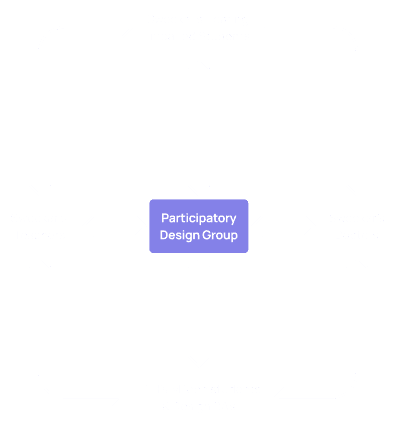
Participatory design approach was chosen which involved engaging with stakeholders such as doctors, students, teachers and Tech students to ensure that the solution meets their needs and addresses real-world challenges. By collaborating with these groups, the design process becomes more inclusive and grounded in the actual experiences of the users, ensuring that the technology developed is both practical and effective.
Prototyping
007
Proof of concept
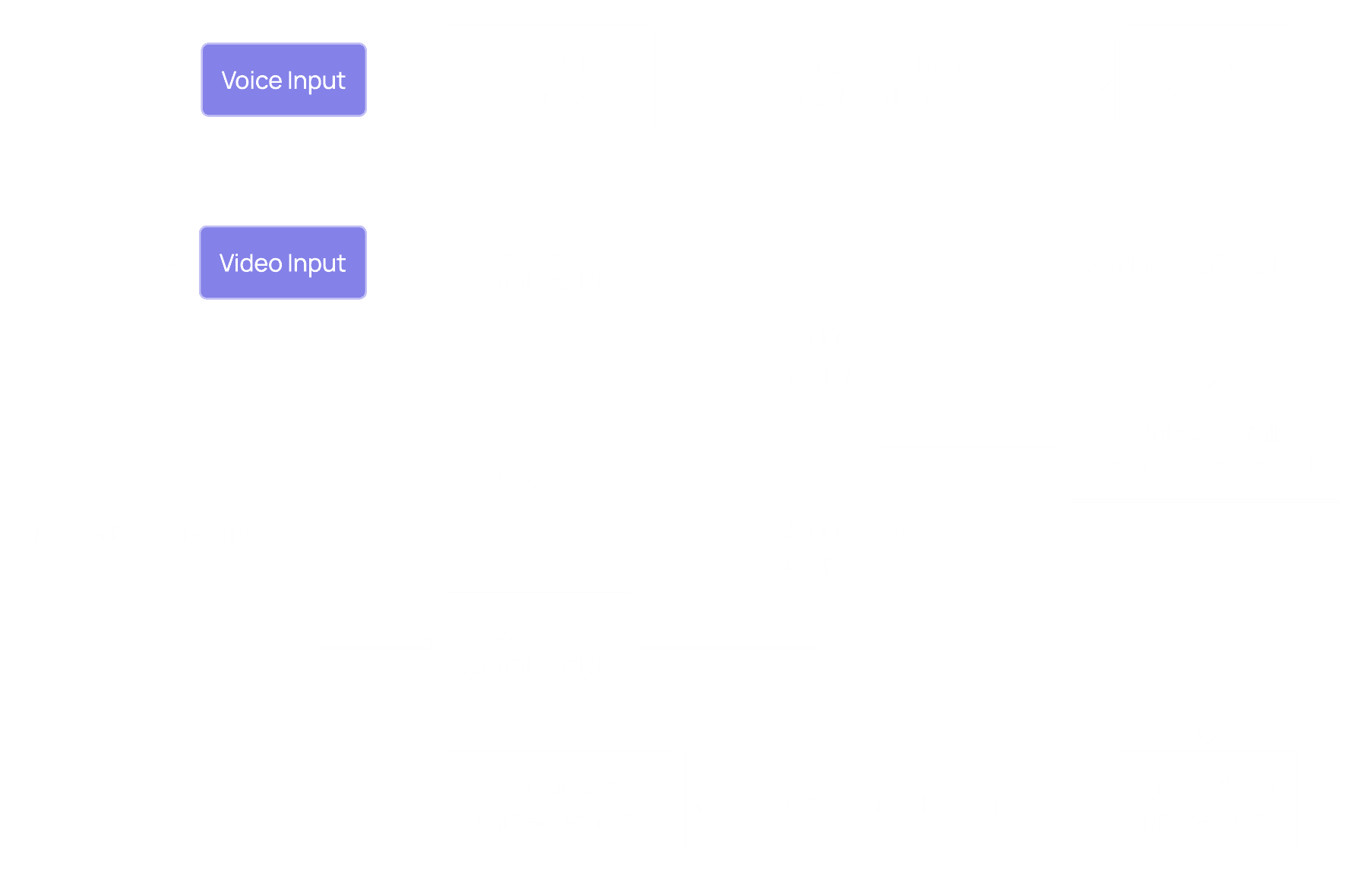
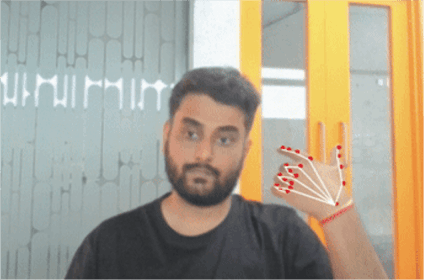
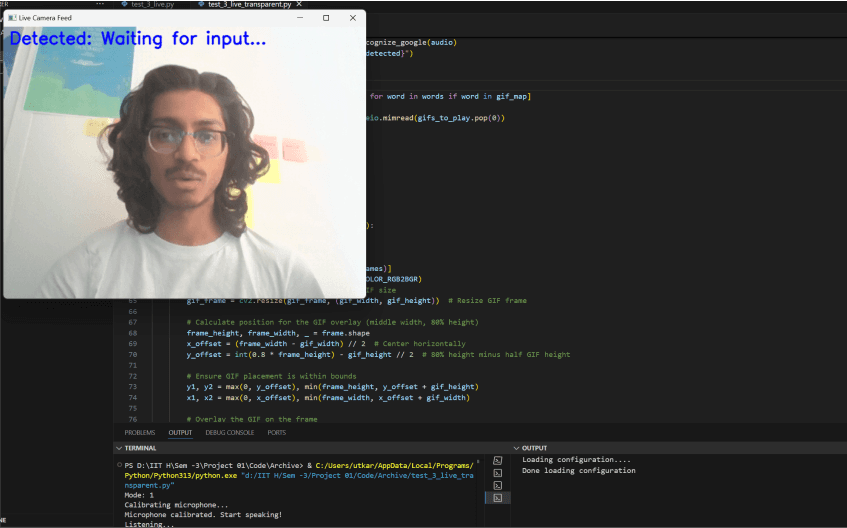
The HandSight proof of concept focuses on translating voice into sign language using hand gestures, without incorporating facial expressions or body tracking in the functional prototype.
Impact of Handson
008
When communication becomes inclusive life becomes limitless
Handson makes communication more inclusive by enabling real-time sign language translation.

Enhanced Communication
Enables seamless understanding of spoken language through 3D augmented hands, bridging the communication gap.
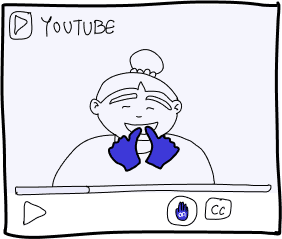
Accessibility in Technology
Integrates into platforms like YouTube and WhatsApp, making digital content and interactions inclusive.
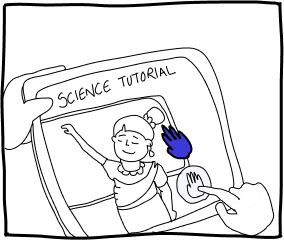
Improved Learning
Provides access to educational videos and materials in sign language, ensuring better comprehension.
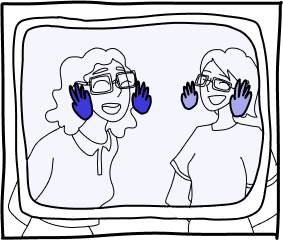
Social
Inclusion
Fosters meaningful interactions in personal and professional settings, reducing isolation.
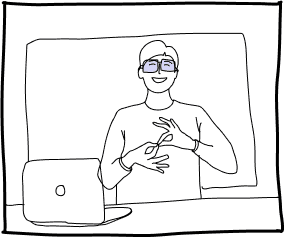
Empowerment & Independence
Empowers Deaf individuals to engage with the world without relying on intermediaries or captions.
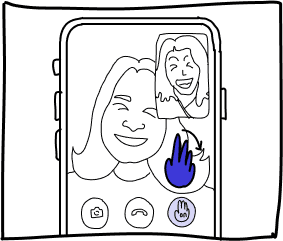
Universal
Usability
Promotes inclusivity by encouraging adoption in mainstream technologies.
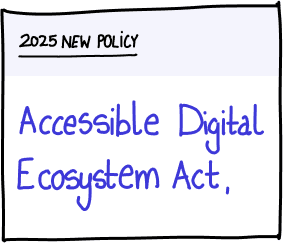
Increased
Awareness
Highlights the importance of accessibility, encouraging society to embrace inclusive solutions.
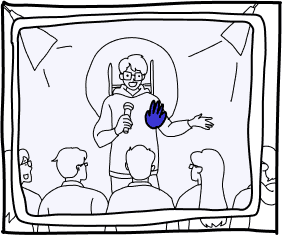
Real-Time
Accessibility
Supports live interactions, ensuring active participation in conversations and events.
Career
Opportunities
Opens doors to jobs and roles that previously required advanced lip-reading or interpretation skills.
Previous Project
Next-Gen Benefits
Next Project
SAP Design Challenge