Project
001
Sakhi
A menstrual awareness and Tracking Solution
The Sakhi project was born out of a deeply troubling incident where a young girl in Thane, Mumbai, lost her life after her brother, misunderstanding her first period, tragically took her life. This incident prompted us to explore the critical need for better awareness and education around menstruation. In collaboration with a friend, we developed a combined physical and digital solution featuring chatbot integration to enhance user experience and make menstrual tracking and education more accessible and intuitive.
Info
002
Role
Product Designer
Timeline
02 Months
Collaborators
Utkarsh Verma, Ishita Kohli
Tools
Figma
Rhino 3D
Blender
Overview
003
Problem
In a market full of menstruation-tracking apps, the subject of periods remains taboo in India. Despite widespread smartphone access and affordable 5G, the question is: Why are we still falling short?
Outcome
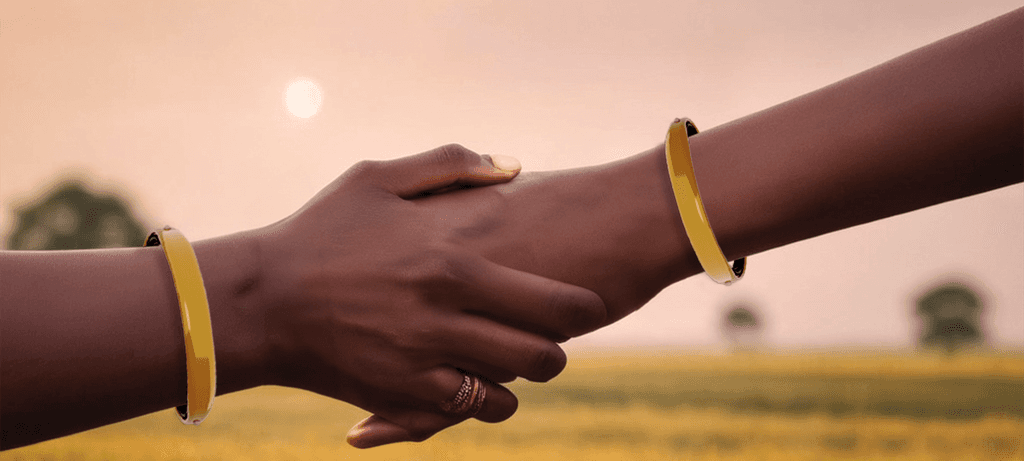
This project introduces an AI-powered app and bangle-inspired menstruation tracker to educate and empower women, particularly in rural areas, by simplifying menstrual health awareness and reducing stigma.
Solution
004
Final Design & Solution
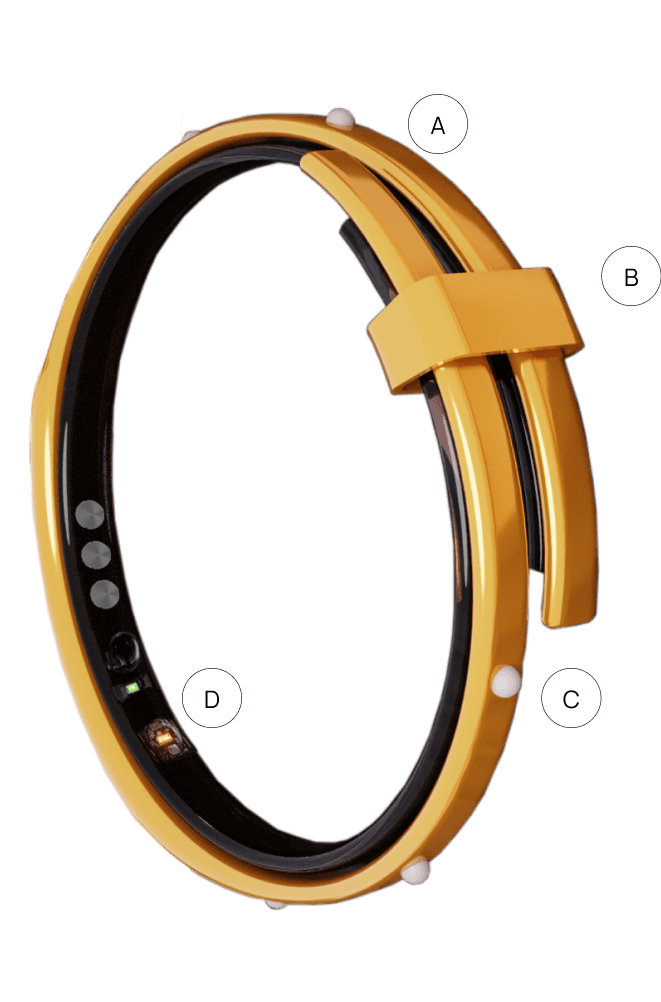
The Sakhi solution includes a screenless bracelet and app designed to raise menstrual awareness among rural Indian women. The bracelet, inspired by the Indian Bangle, tracks cycles with minimal input, while the app refines this data using machine learning, analyzes cycles, and allows data sharing with healthcare providers. An integrated AI chatbot provides guidance and answers user queries.
Features of Sakhi Bangle
A
Stainless steel body with PVD coating for durability
B
Flexibility in locking system to ensure one size fits all
C
LED lights to depict what stage of menstrual cycle one is at
D
Sensors to minimize manual data input on application
1. Photoplethysmography (PPG) sensor
2. Infrared temperature sensor
3. Bioimpedance sensors
Feature 001
Localized Language Support and Easy Wearable Set Up
The application offers local language support for all 22 official languages of India, ensuring inclusivity of diverse linguistic communities, and provides a step-by-step setup for easy pairing of the bangle with the app for seamless tracking.
Feature 002
Seamless Onboarding with Sakhi Chatbot and Step-by-Step Guidance
The application introduces the Sakhi chatbot at the start of the onboarding process, guiding users through a step-by-step setup to input menstrual cycle information and begin tracking with ease and efficiency.
Feature 003
Intuitive Tracking and Analysis with Easy Sharing
The application features a simple, user-friendly interface for tracking data from the bangle, with the option to manually override inputs. It also provides detailed cycle analysis and alerts (including concerning patterns or changes), allowing users to easily share this information with healthcare professionals.
Feature 004
Customization and Personalization
Given the diverse user base with varying reasons for tracking, age groups, requirements, and schedules, the application provides a range of features to customize the user experience according to individual preferences.
Setting Expectation
005
What is this project and what to expect
My goal with this project was to delve into the intersection of healthcare and technology, aiming to create a tech-driven intervention that can genuinely benefit the masses. I sought to enhance my user research, visual design, interaction design, and prototyping skills while exploring how AI can drive meaningful solutions and impact a broader audience.
01
Passion
Project
This is a personal project to develop and improve my skills and build something that I truly believe might aid the masses. There are no metrics or outcomes beyond my personal growth.
02
Trying New Things & Refining Skills
I also wanted to work on this project to try new things. My goal was to getting an understanding of how we might leverage AI to reach out to a broader audience and ease the process of health tracking.
03
Inaugural Step in Generating Awareness
I also wanted to work on this project to try new things. My goal was to getting an understanding of how we might leverage AI to reach out to a broader audience and ease the process of health tracking.
Why the Topic
006
Breaking the Silence: Menstruation Myths and the Urban-Rural Divide in India
Instances and practices listed below are a common affair in India and the main reason behind this is the lack of awareness in the public. Having conversations regarding menstruation is increasingly becoming a more common feature amongst working women in first-tier cities. However, this is a fairly recent development in urban sectors. In rural parts of India, it still remains a rarely discussed taboo topic.

The Indian Express
09 May, 2023
A 12-year-old girl was allegedly killed by her brother over suspicion of her having an affair with someone
A 30-year-old security guard has been arrested for allegedly killing his 12-year-old sister over suspicion that she had got physical with someone. Police sources said it was a misunderstanding as the girl had reached menarche - the first time that a girl menstruates - but the brother thought she had got physical with someone.
Pari Network
08 Nov, 2023
Periods of Hell in Bhamragad
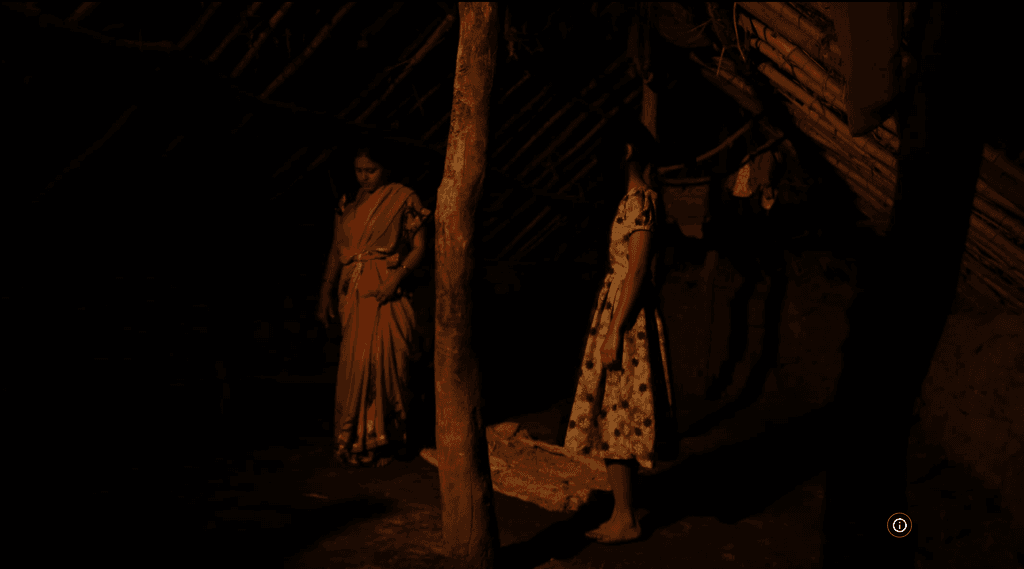
The Madia tribe forces menstruating women into "Kurma Ghars," or period huts, due to beliefs in menstrual impurity. These huts lack basic amenities, leading to discomfort and health risks. Superstitions further isolate women, restricting their interactions and even the storage of sanitary products.
Why Another Mensuration App?
Uncovering Issues
006
User research - findings & insights
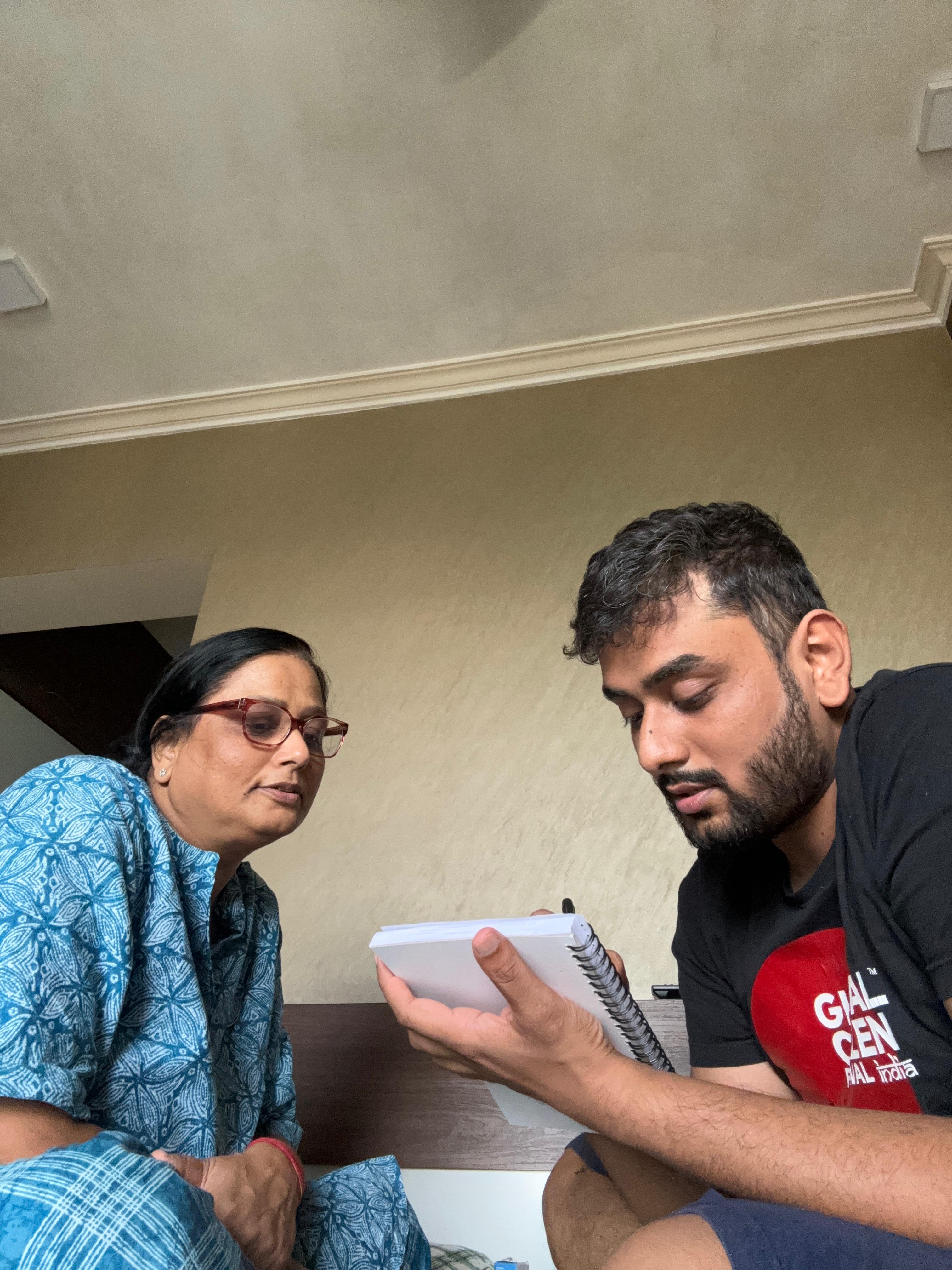
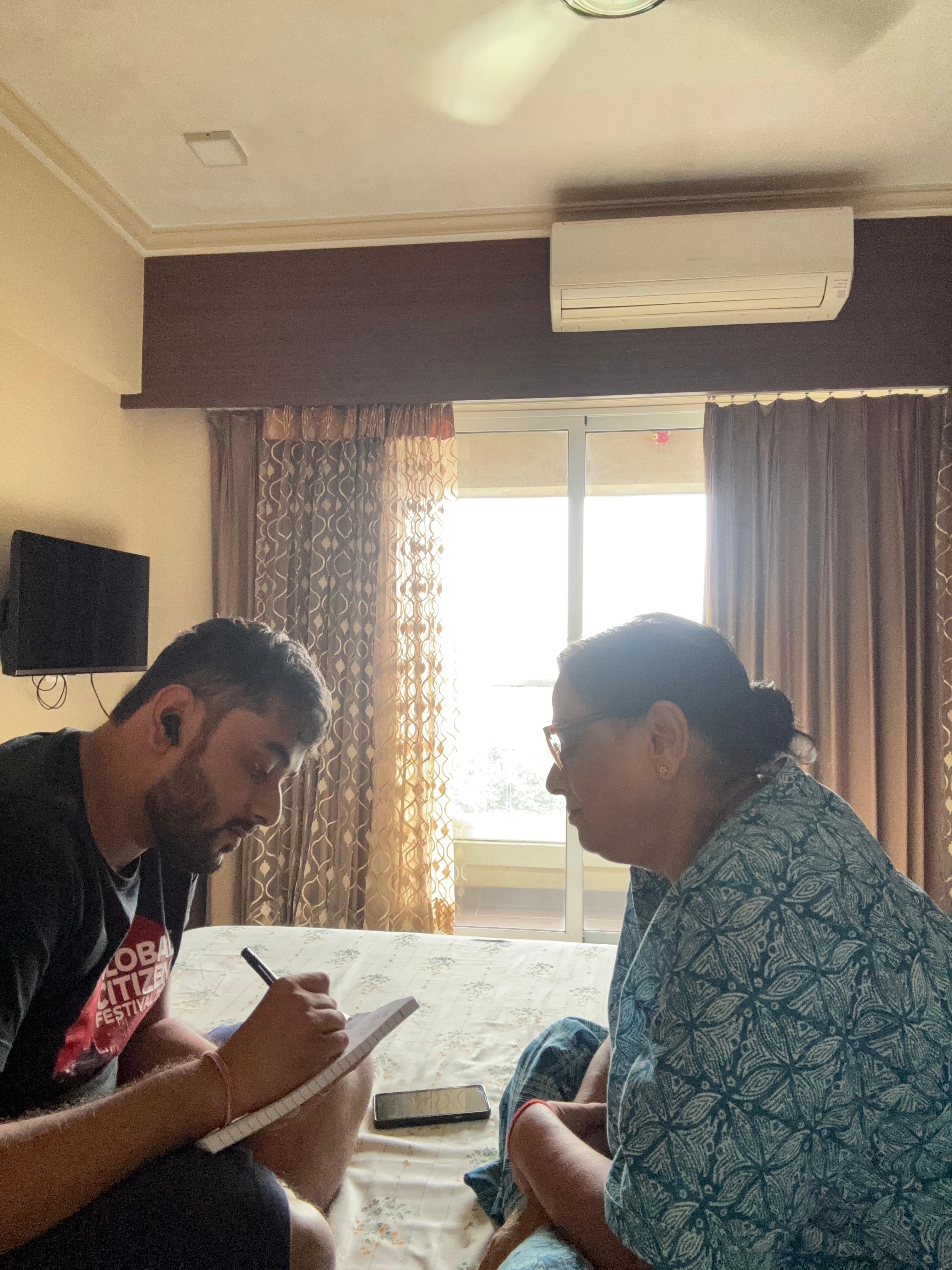
Although urban women in middle and higher classes show some awareness, those in lower classes remain hesitant to discuss menstruation openly. In rural areas, this issue is even more pronounced, with women across all socio-economic backgrounds avoiding the topic entirely. To understand these attitudes and their impact, we also reviewed several articles and research papers.
01
Why this mindset exists
Lack of education in schools and thus health awareness.
Taboo and myths associated with menstruation
Inadequate resources for awareness - apps suck, government schemes not the best
Economic constraints
Low Tech savviness
02
How it affects the lives of these women
Ostracization
Affects Education
Hygiene Issues
Mental Fears
Gender Inequality
03
Other Facts and Figures
61% of schools lack dedicated curriculum on reproductive health and 78% of teachers feel uncomfortable discussing menstruation in class.
Source : Das et al 2015
28% of urban women and 12% of rural women use apps or other methods to track their cycles.
Source : Indian Institute of Public Health
The User
007
The many personas and their needs
Based on the primary and secondary research, it became evident that the requirements of users were diverse, with variations in user behavior and needs from different socio-economic backgrounds.
User personas were created and empathy mapping was carried out to better understand the intended user, and acknowledge their requirements.
Maya Das (16)
Aisha Malik (28)
Priya Sharma (36)
Common frustrations
008
02
Inconsistent Tracking
Users struggle with unreliable predictions and tracking, which causes stress and a sense of loss of control over their cycles
03
Time Constraints
All users face time management challenges, balancing personal and professional responsibility, making it hard to consistently log data
04
Difficulty Sharing Information
There is frustration around the inability to easily share tracking info with health-care providers, which require manual summaries
Common needs
009
02
Support for Irregular Cycles
The need for advanced cycle prediction is highlighted, especially for those with irregular cycles, to help manage symptoms effectively
03
Health Insights
A desire for actionable insights related to menstrual health, including tips on symptoms and connections to overall health
04
Cultural Sensitivity
Respect for cultural contexts and languages is important to all users, emphasizing the need for culturally sensitive content and communication
Who are we designing for
010
Targeted User Group
Considering the greatest need for menstrual health awareness in rural areas, our targeted user group aligns with User Persona 01 - Maya Das
Some other approaches
011
Alternative Approaches and Key Insights for Addressing the Issue
Before jumping to a digital solution, we first sought to understand whether it was truly necessary or the most effective approach to addressing the issue. Extensive research was conducted to explore the various efforts already being made to improve menstrual health awareness in India by several key players, including government programs, non-governmental organizations (NGOs), international organizations, academic institutions, and activist groups. Their efforts included :
01
Community Workshops and Training
02
Distribution of Educational Materials
03
School-Based Programs
04
Digital Initiatives
05
Engagement with community Leaders
06
Improving Access to Menstrual Products
07
Women's Health Camps
A Digital Intervention
012
Is there truly any merit in addressing the issue digitally?
Despite these ongoing efforts, cases of violence, ostracization, and discrimination related to menstruation persist in India. But given the rapid growth of the digital market, even in rural areas, we explored why a digital intervention could be a more effective approach.
Anonymity
Individuals feel comfortable seeking such information anonymously, especially in cultures where menstruation is considered taboo
Cost-Effectiveness
Information and resources can be shared at a relatively low cost compared to traditional methods such as in-person workshops
Scalability
Solutions can be easily scaled up to reach larger populations as needed
Customization
Customization of content and resources to suit the specific needs and preferences of different demographics
Interactivity
Features such as quizzes, videos, and forums can engage users and facilitate a more dynamic learning experience
Data Analysis
Data collection and analysis inform ongoing improvements of menstrual health awareness initiatives by gathering insights on user engagement.
Other Digital Approaches
013
Evaluating the Digital Landscape of Menstruation Tracking
Building on this concept, it was crucial to explore the current digital landscape surrounding menstruation tracking and the various user experiences and solutions available. To support this research, I conducted a heuristic evaluation and followed it with a SWOT analysis of several well-known tracking tools in the market.
This analysis included examining both mobile-based applications and wearable devices, such as Period Calendar Period Tracker; Flo Period & Pregnancy Tracker; Clue Period Tracker & Calendar and wearable technologies like Fitbit Sense, Apple Watch, Ava Bracelet and the Oura Ring.
Application SWOT
Wearable SWOT
01
Cultural Nuances are not considered
02
Not Affordable as these applications and wearables are usually highly priced
03
Complicated interaction and interfaces for population that is not tech savvy.
04
Overload of information for a population that is unaware of basics of menstruation
05
Lack discreetness. This includes effeminate logos and interfaces in applications and large non discreet wearables.
06
Lack focus to create basic awareness in a society where menstruation remains a taboo topic
07
Existing apps may not offer content in local languages which is especially an important feature to consider in a country with over 22 languages.
Project Goals
014
Reimagining menstrual tracking for rural women
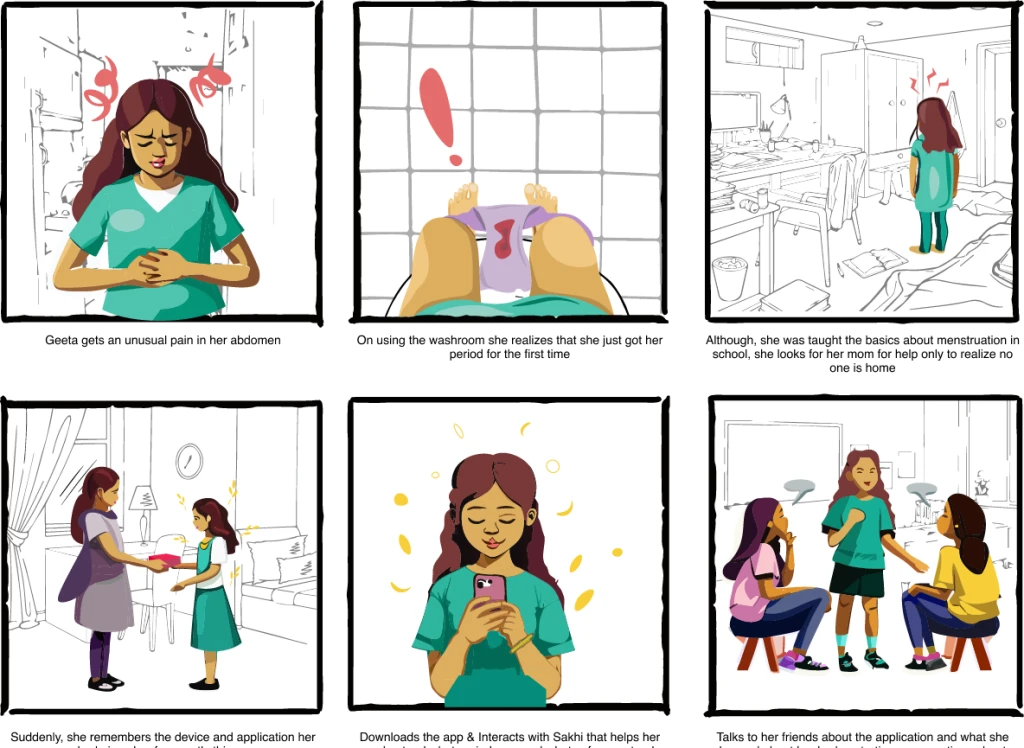
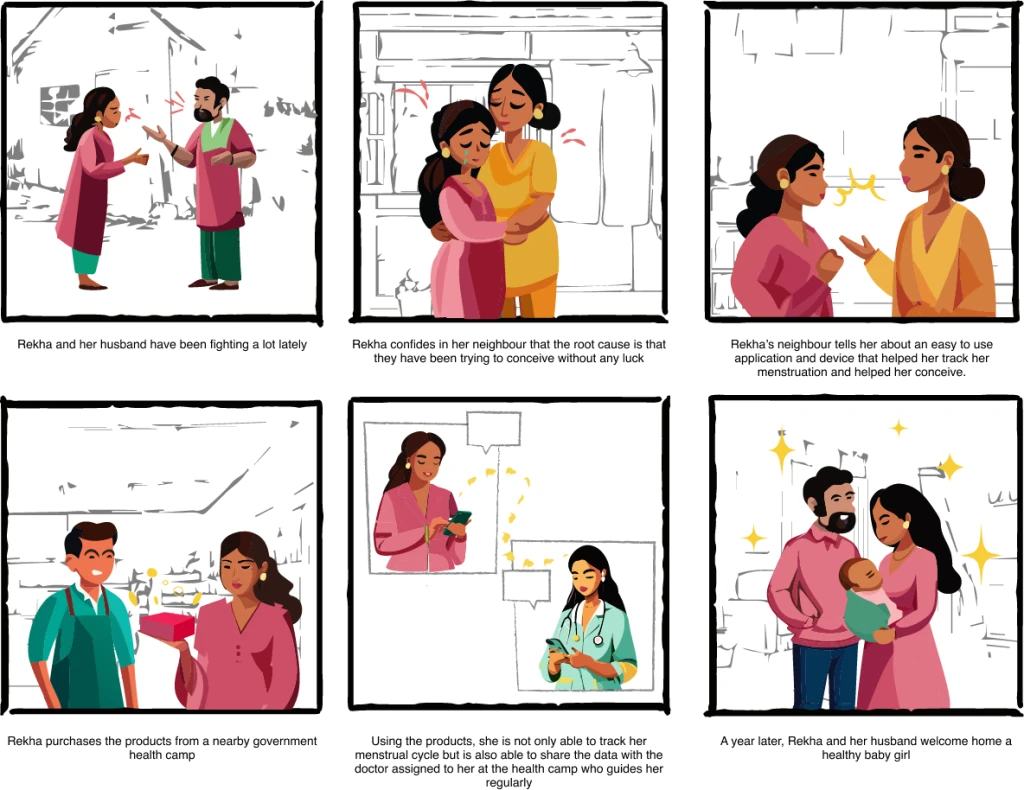
Based on both primary and secondary research, it became clear that the needs and user behaviors of rural Indian women differ significantly from those of other demographics. Therefore, it was essential to narrow our focus and include only the necessary and relevant features tailored to this specific user group. To achieve this, we first assessed the goals our intervention aimed to address.
MoSCoW Analysis for Device
MoSCoW Analysis for Application
Why the Bangle?
015
Cultural & Scientific Significance of a Bangle
For the wearable we decided to design something much for relatable for the Indian audiences. Rather than a bulky, non- discreet watch, we were inspired by the traditional Indian bracelet, THE BANGLE. A bangle in the Indian context holds very important significance both in terms of the Culture and Vedic Science.
The cultural significance of the bangle changes with region and the color of the bangle. However, across the country it is believed to have various benefits. Not only that, According to the Vedic Science texts the way in which the bangle interacts with our body, has numerous scientific significance and health benefits as well. Here are a few:
Fertile & Life
Relationship Strength & Durability
Purity of Human Body
Independence
Luck and prosperity
Keeps Away Negative thoughts
Auspicious beginnings
Positive Energy
Improves Blood Circulation
Protective barrier to ward off evil spirits
Creativity
Improves Passion and Fertility

Final Solution
016
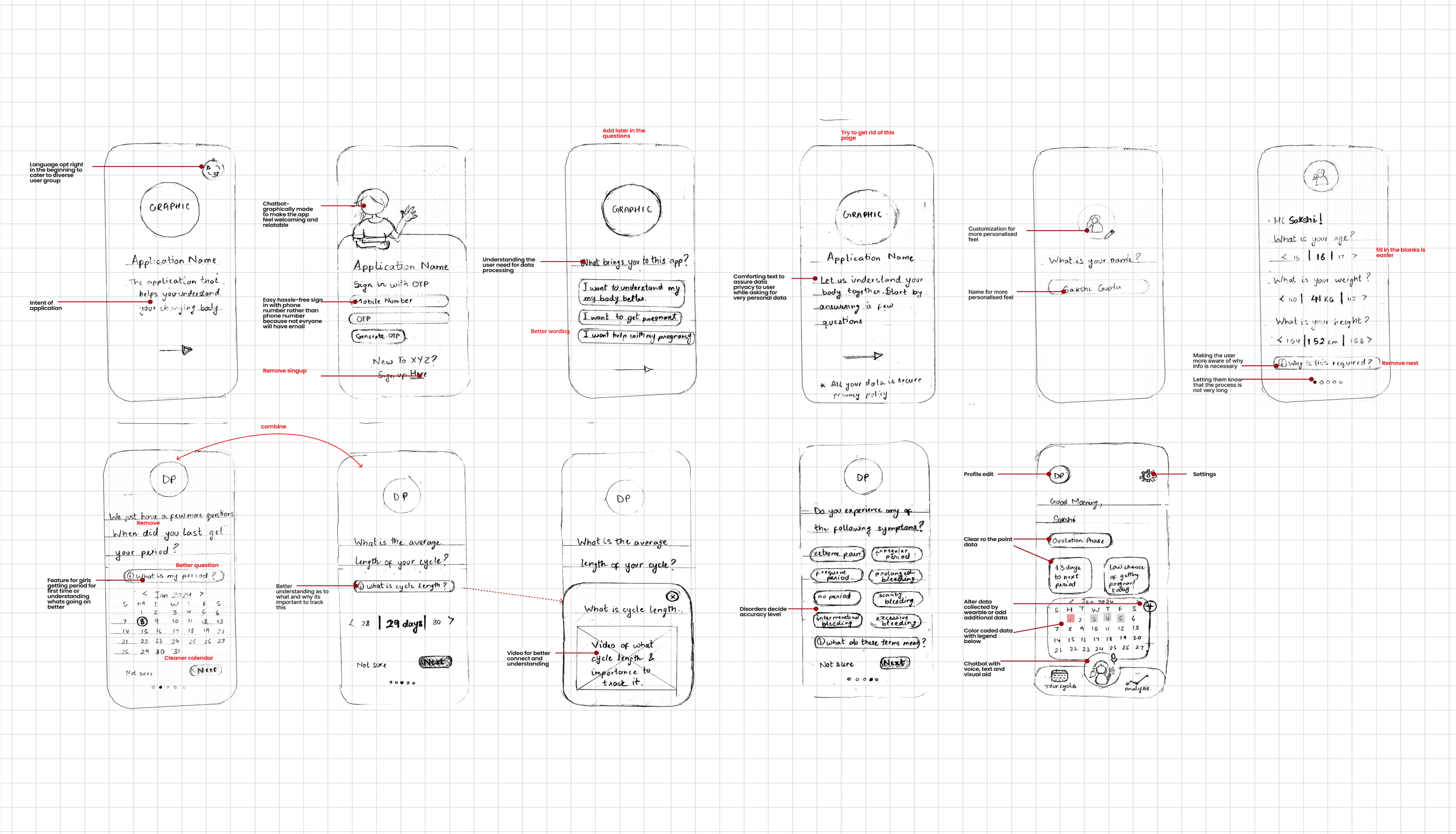
Designing the solution
The solution combines a sleek, discreet bangle with a simple, intuitive app. The bangle tracks menstrual data comfortably and accurately, while the app offers easy navigation, minimal input, and local language support. Together, they provide users with essential health insights in an elegant, user-friendly design that fits seamlessly into everyday life.
Bangle Sketches & Iterations
Implementation
017
Device Onboarding
For the wearable we decided to design something much for relatable for the Indian audiences. Rather than a bulky, non- discreet watch, we were inspired by the traditional Indian bracelet, THE BANGLE. A bangle in the Indian context holds very important significance both in terms of the Culture and Vedic Science. Following are information Architecture of the application and onboarding of how Bangle gets connected to the application with NFC.
Information Architecture
Step 01
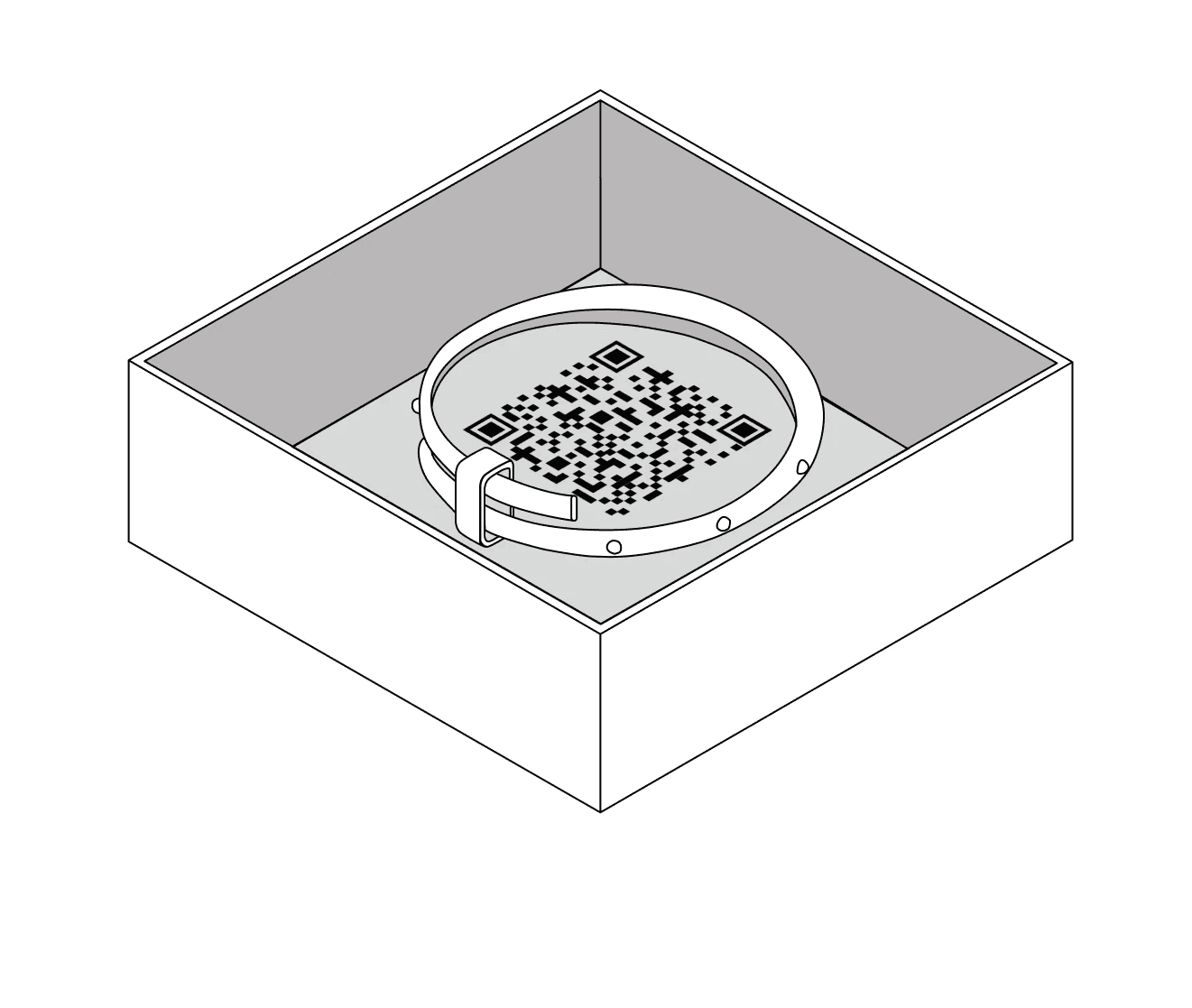
User manual at the bottom of the packaging box of the bangle
Step 02
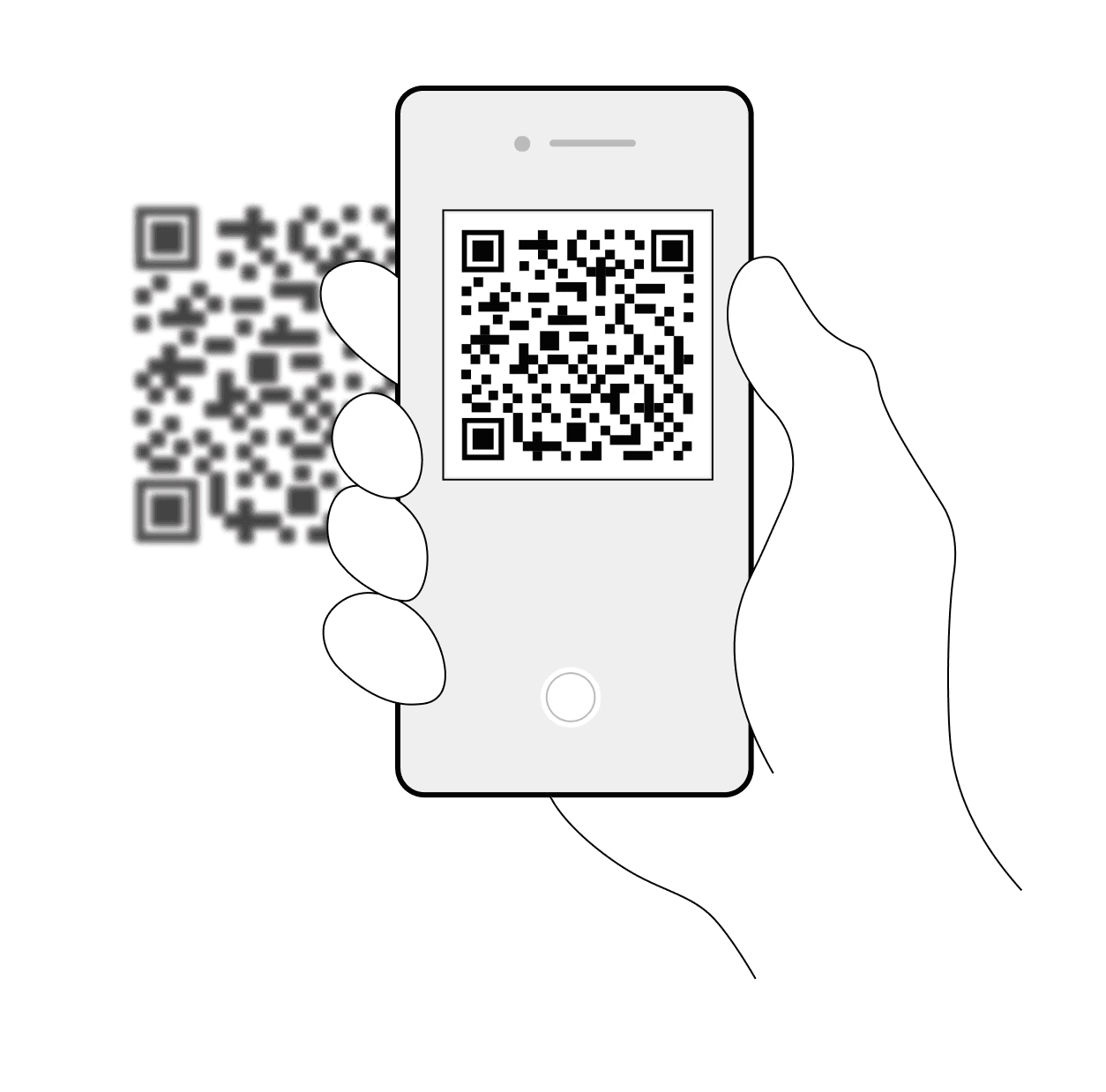
Scan code to find the SAKHI application on the app store
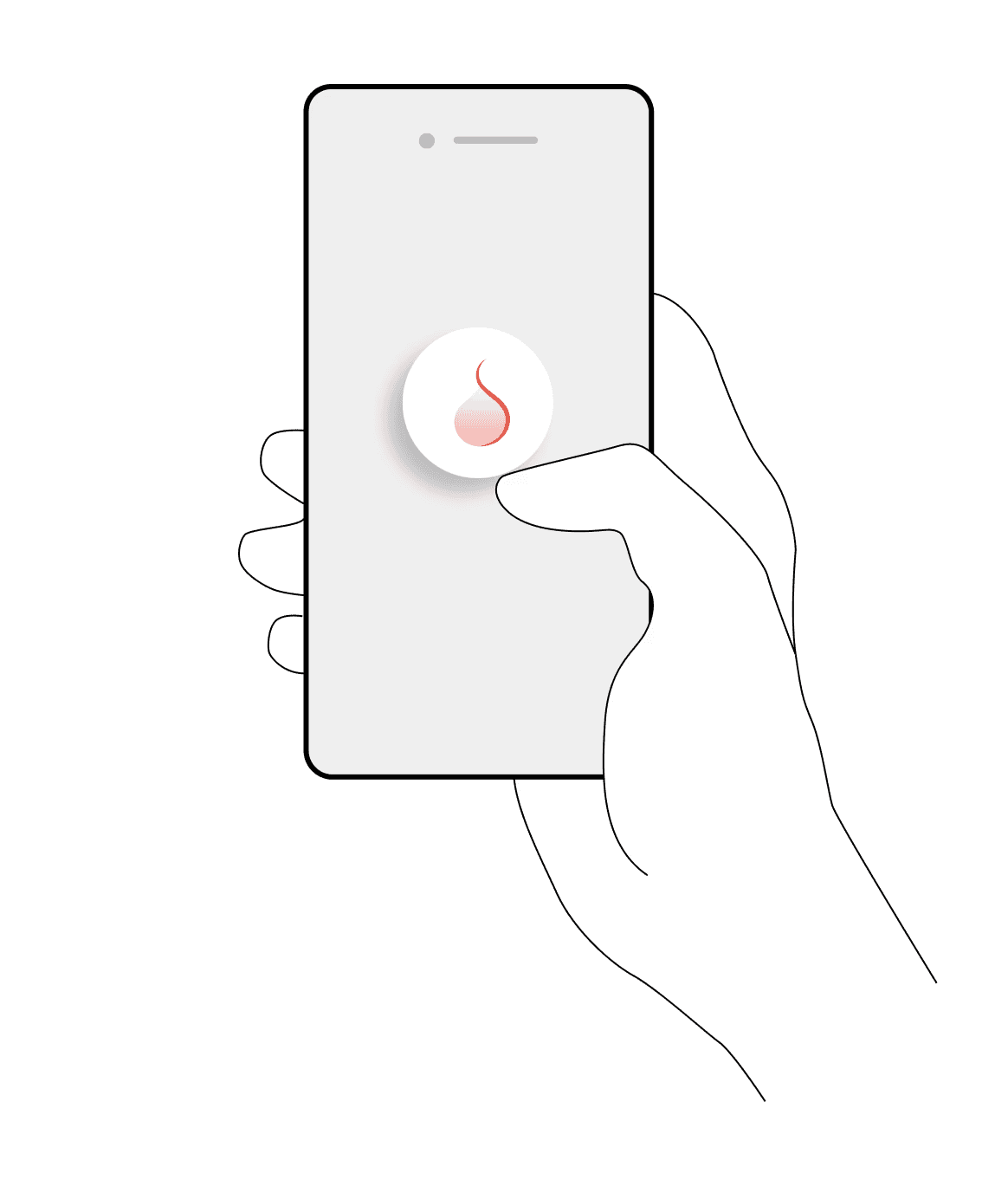
Step 03
Download and Install the SAKHI application and choose your preferred language
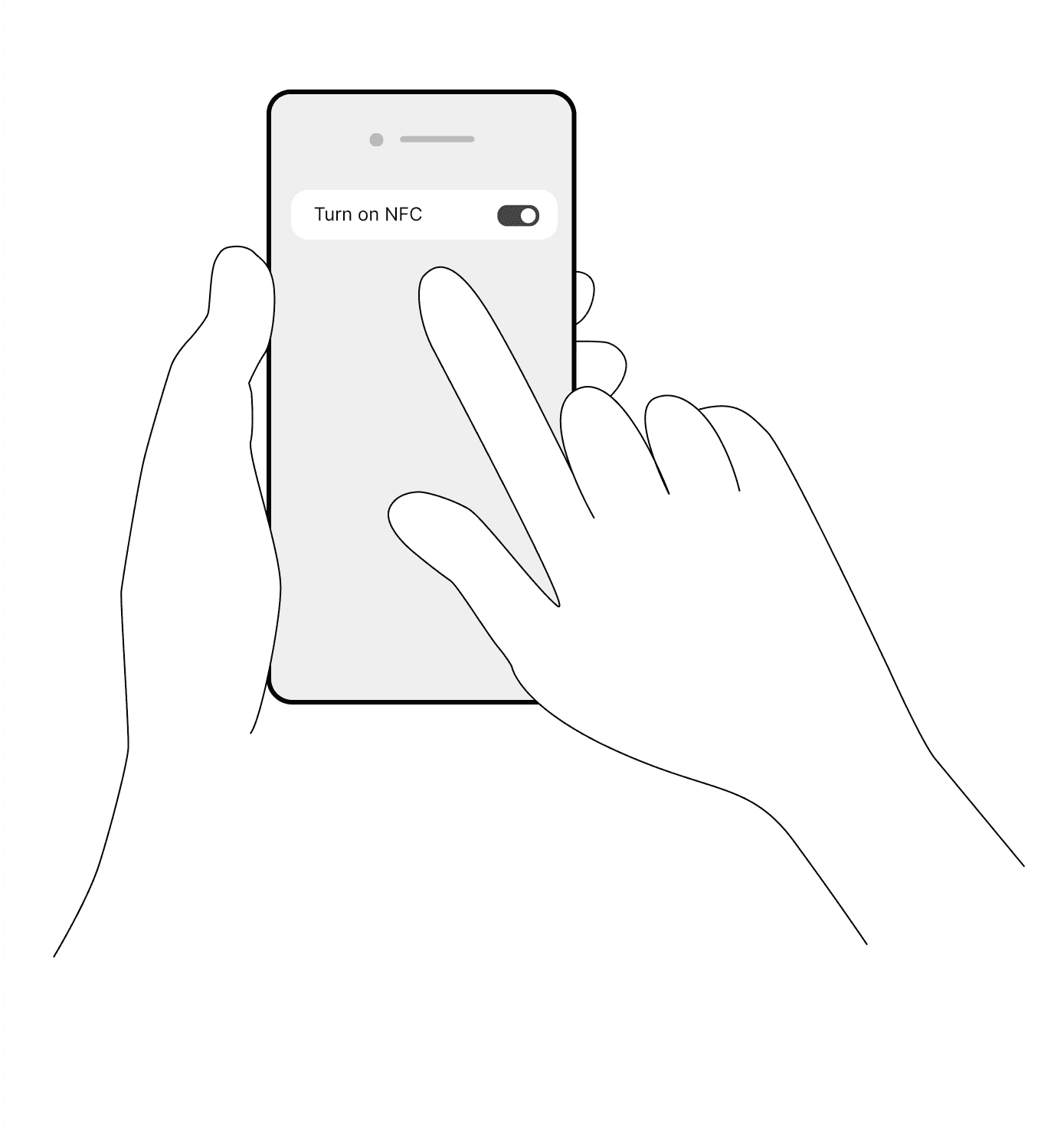
Step 04
Follow the instructions and switch on NFC in your device settings to begin pairing process with the bangle
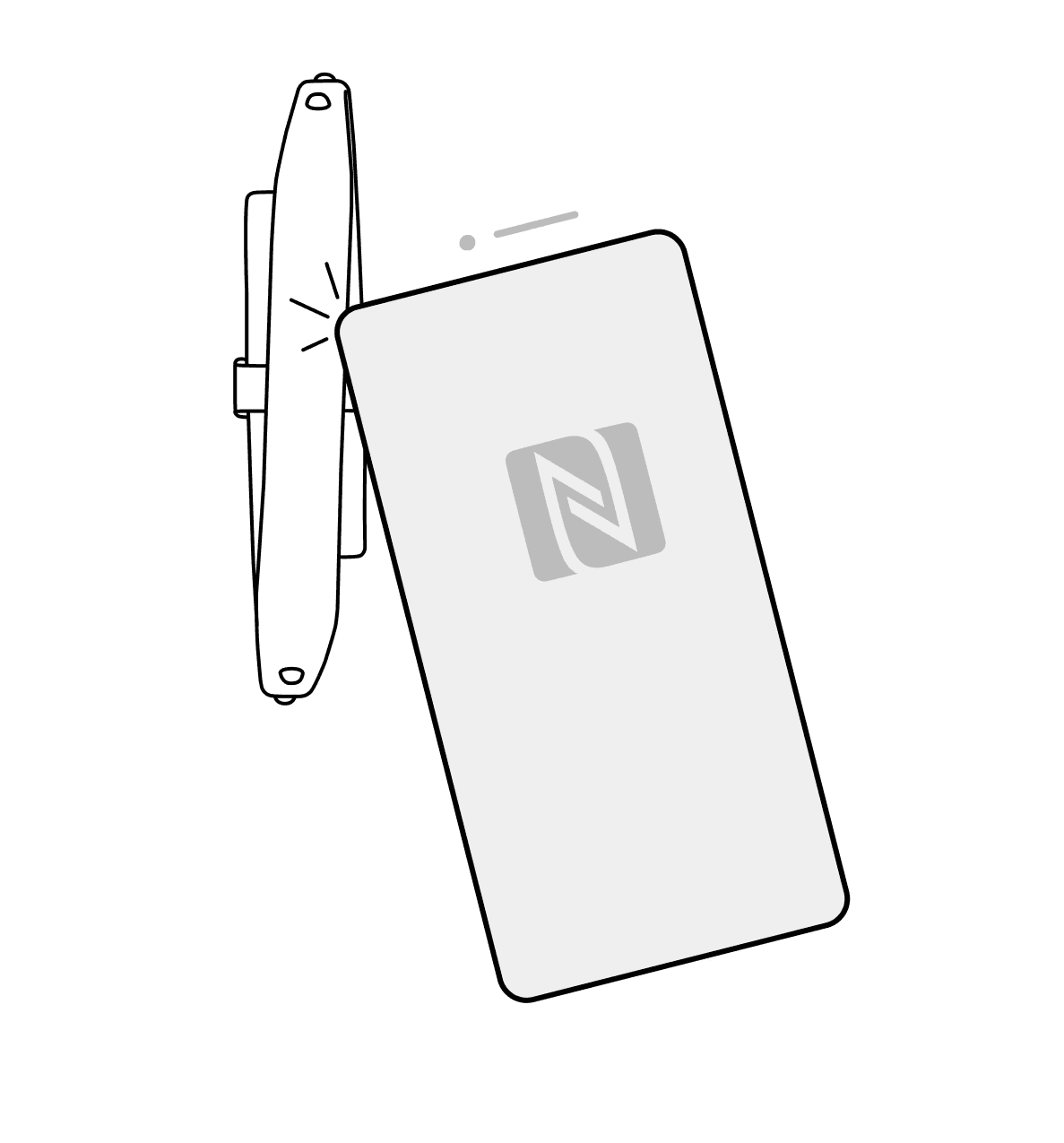
Step 05
Tap the two devices together
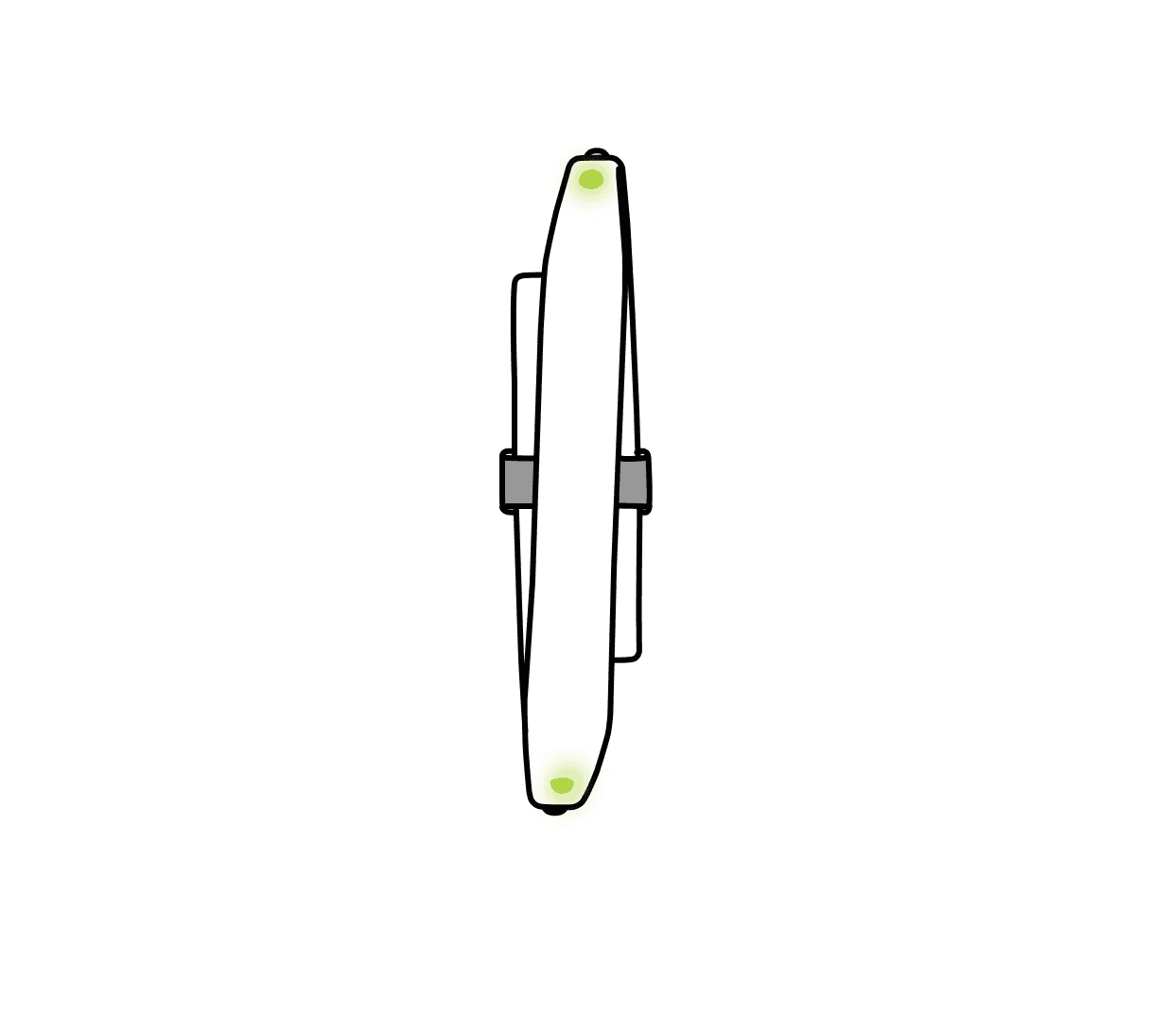
Step 06
The LED lights on the bangle should turn green. The two devices are now connected.


User Testing
018
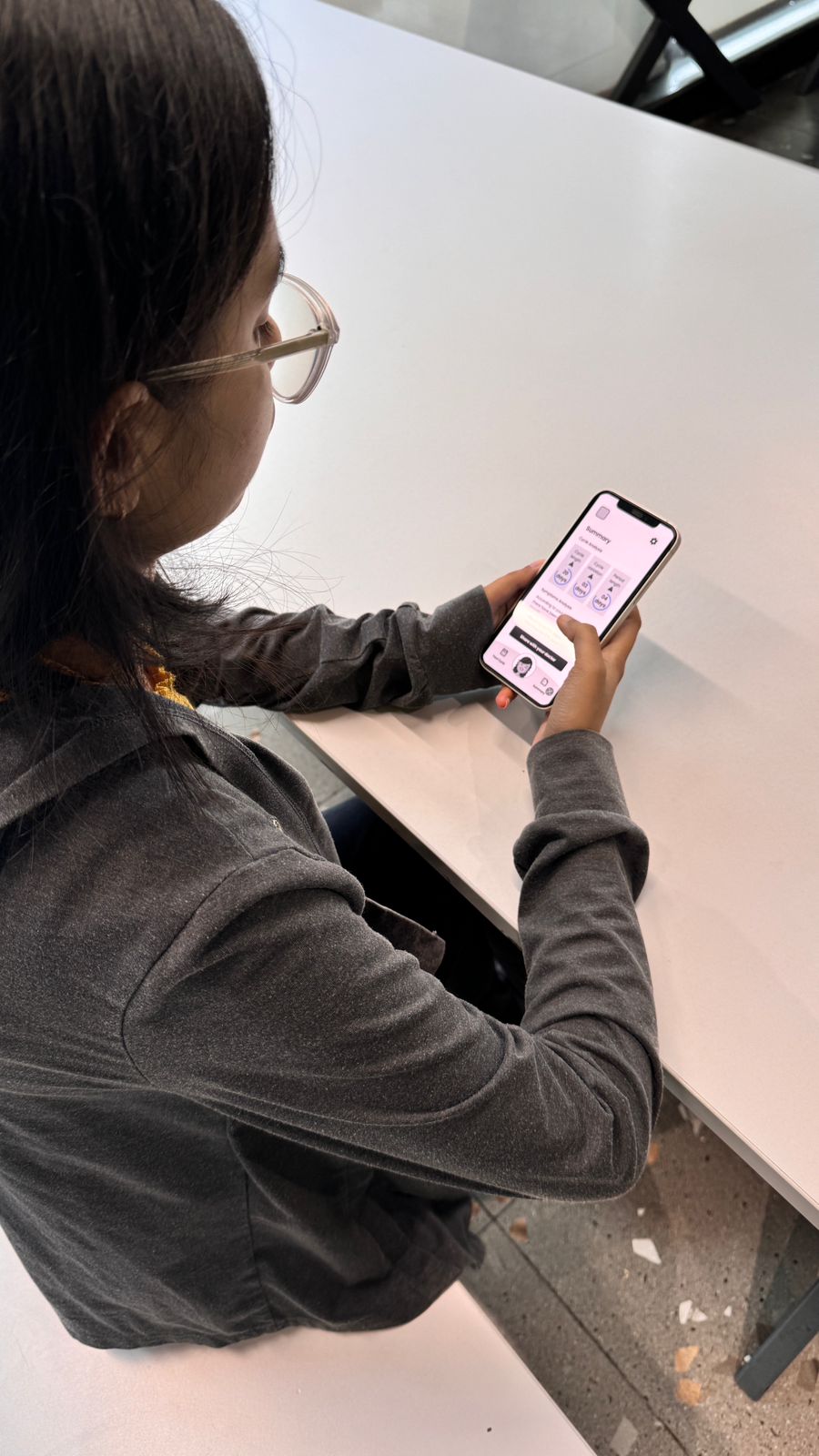
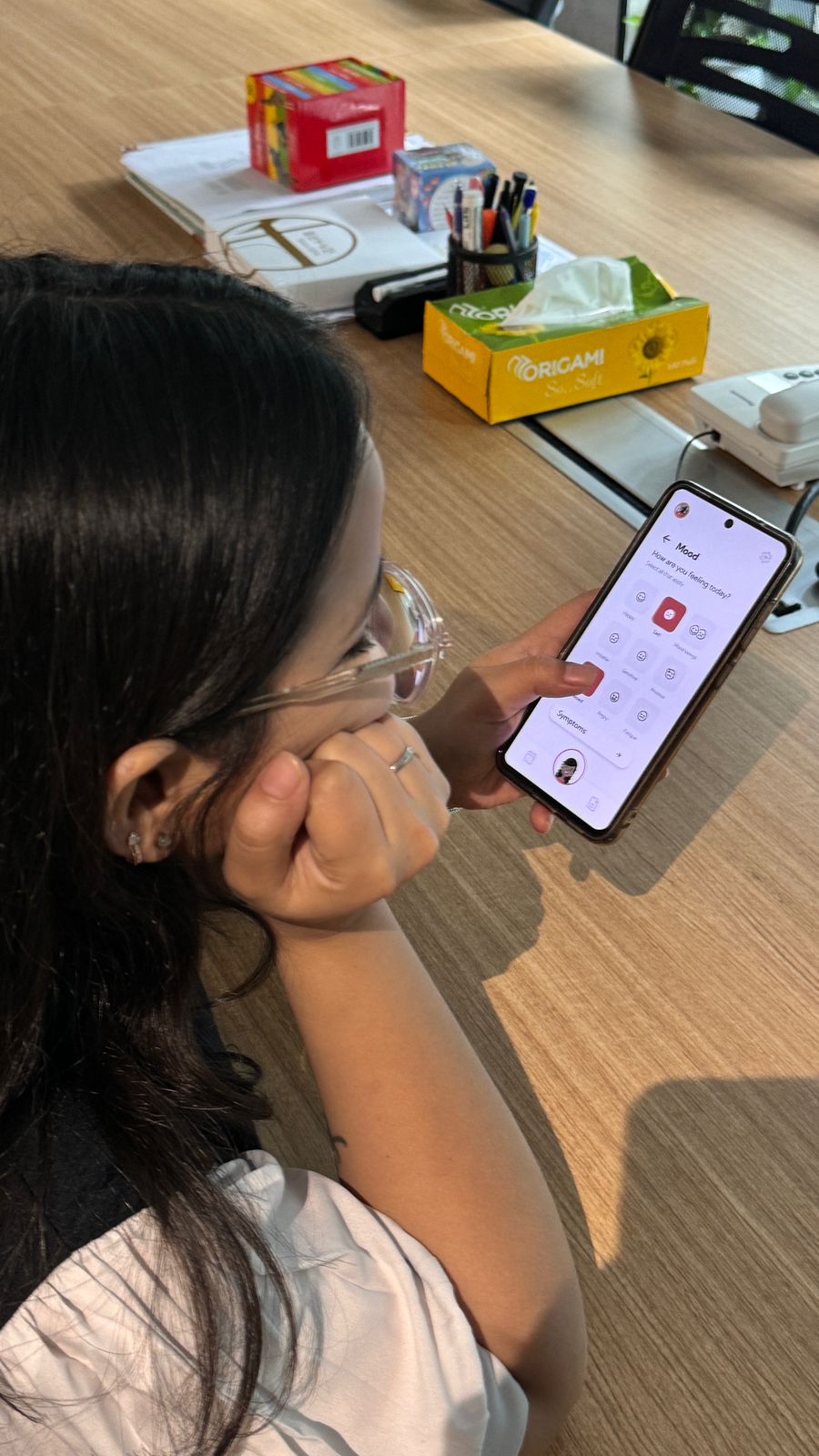
User Testing
For Sakhi’s user testing, we engaged 15 participants: 4 women experiencing menopause, 3 domestic house helps aged 30-40, and 8 girls aged 16-27.
As the chatbot feature, which is crucial for language accessibility, isn’t functional yet, we substituted it with Ishita, our co-designer, to guide users in their preferred languages. During the test, users highlighted several gaps, including confusion in navigation, a need for clearer prompts, and difficulty in accessing certain features without real-time assistance. These insights will help us refine the interface for better usability.
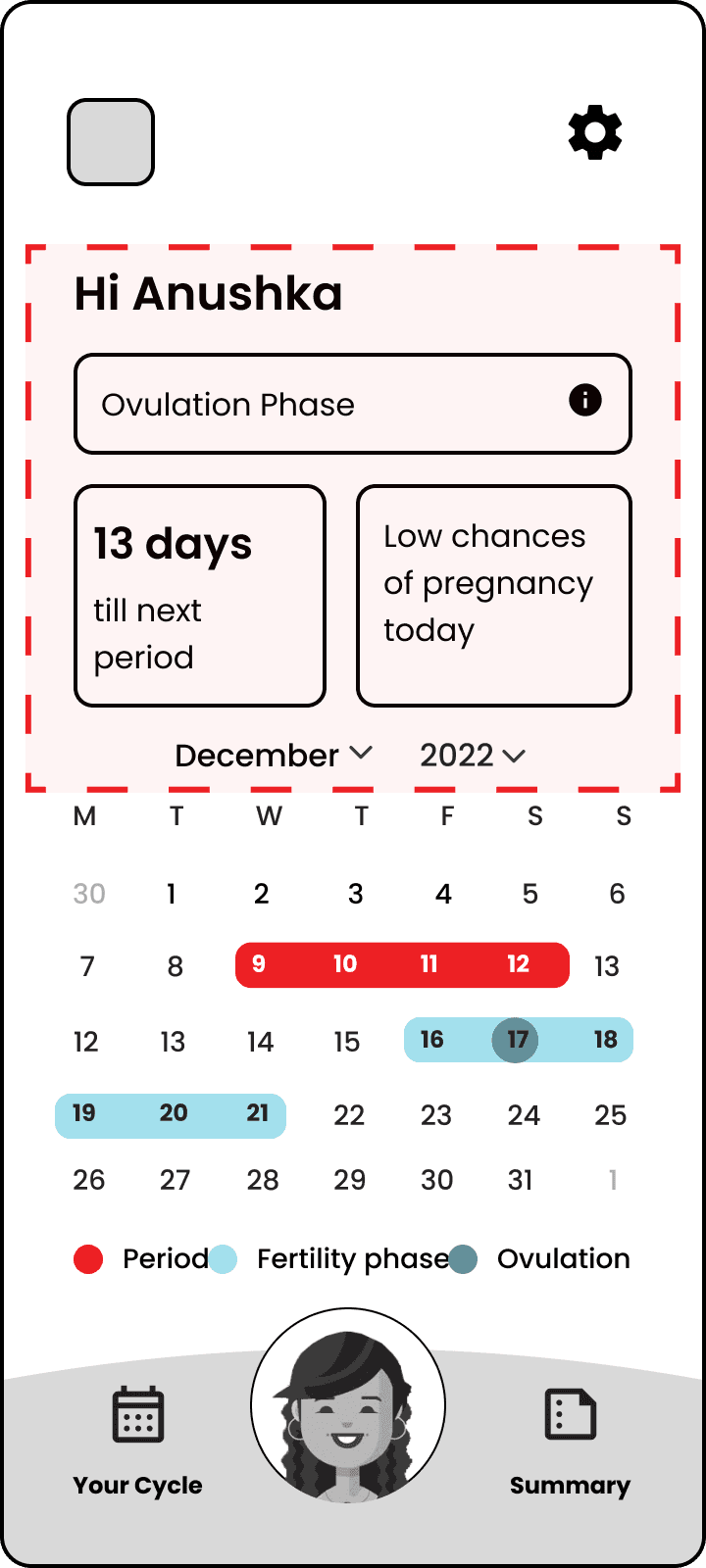
Before
"There's a lot going on on this main page, and it feels overwhelming. I’m finding it hard to focus on one thing at a time because everything seems to compete for my attention."
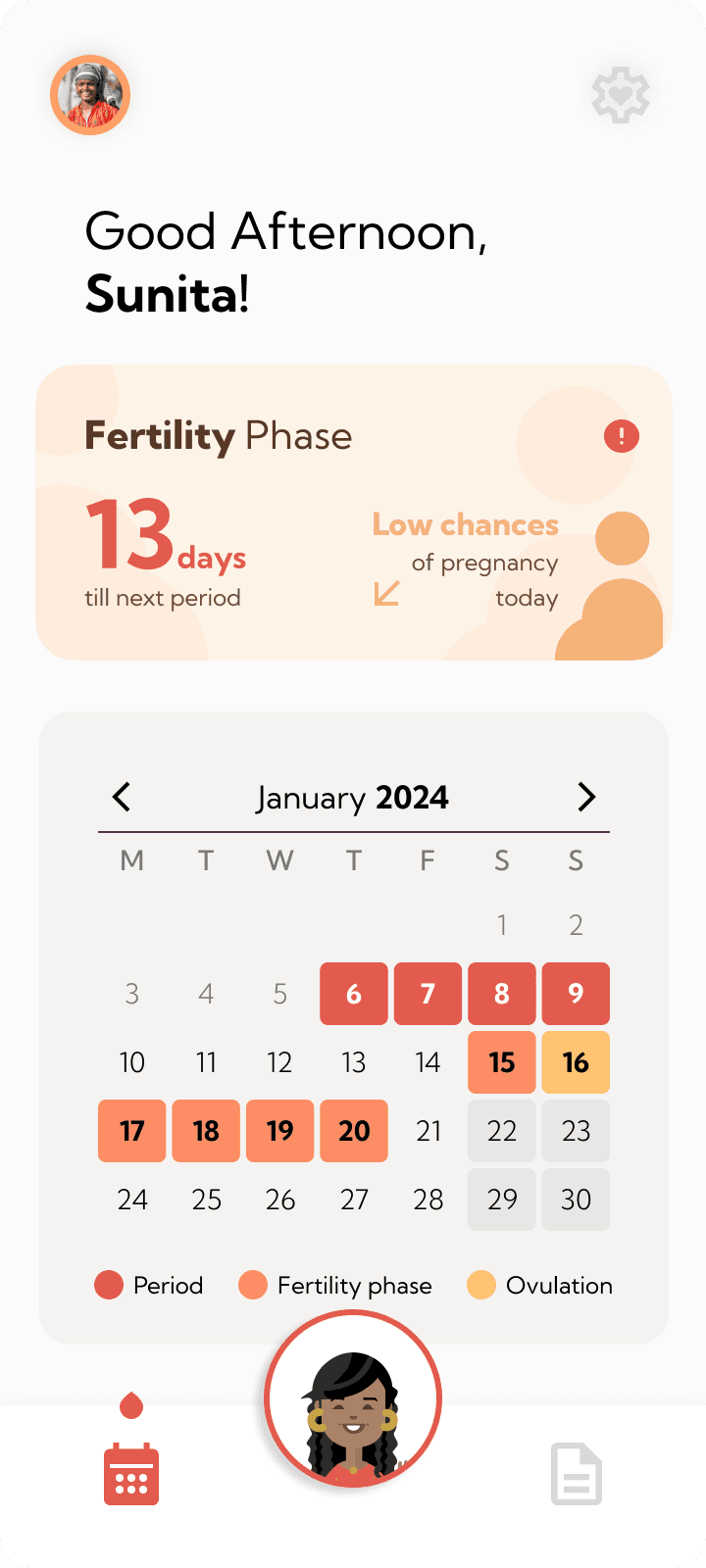
After
"The hierarchy is easy to follow now, and the information about my next period, which is usually my main concern, is clearly visible at first glance."
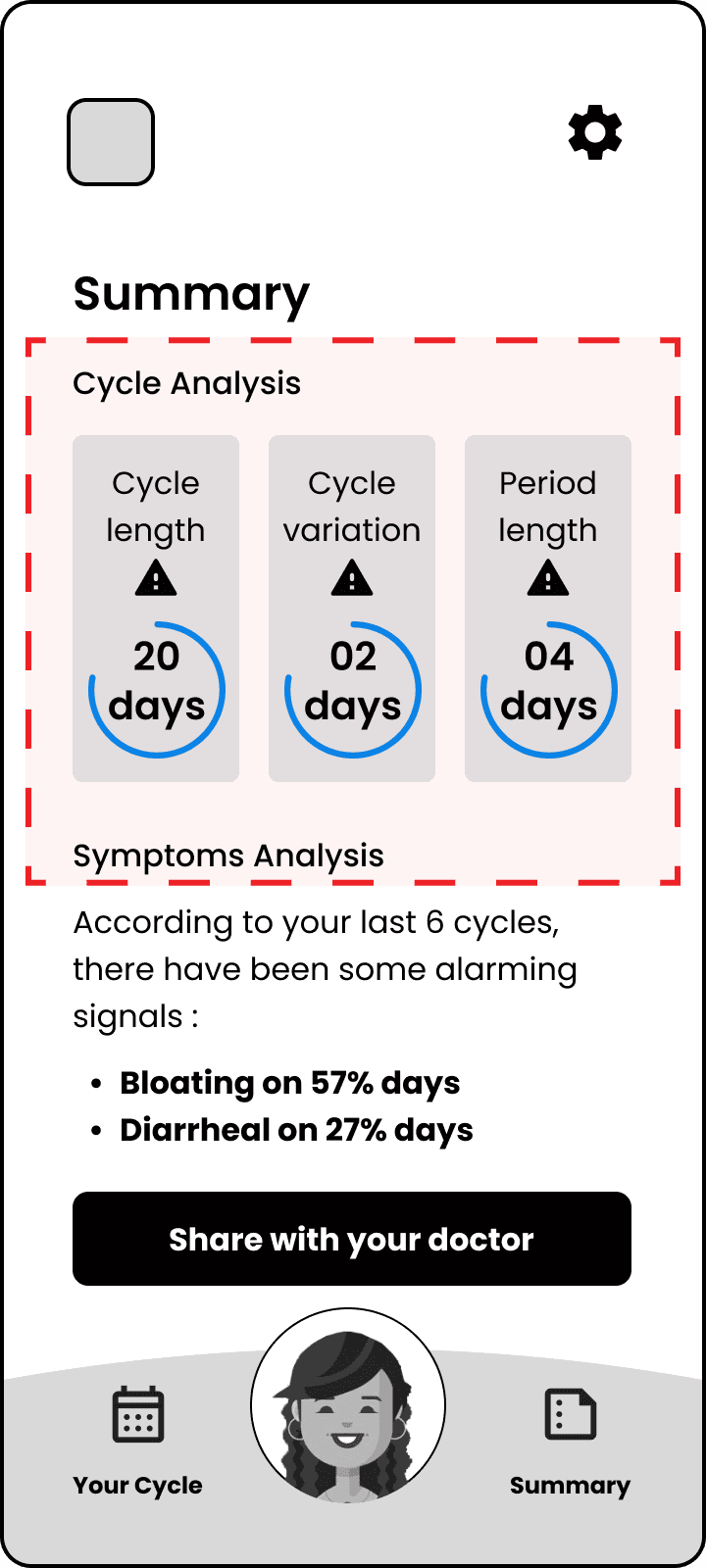
Before
"Some of the terms are a bit confusing, and the information feels cluttered. If my doctor asked for a more detailed analysis, I wouldn’t really know how to find or provide that."
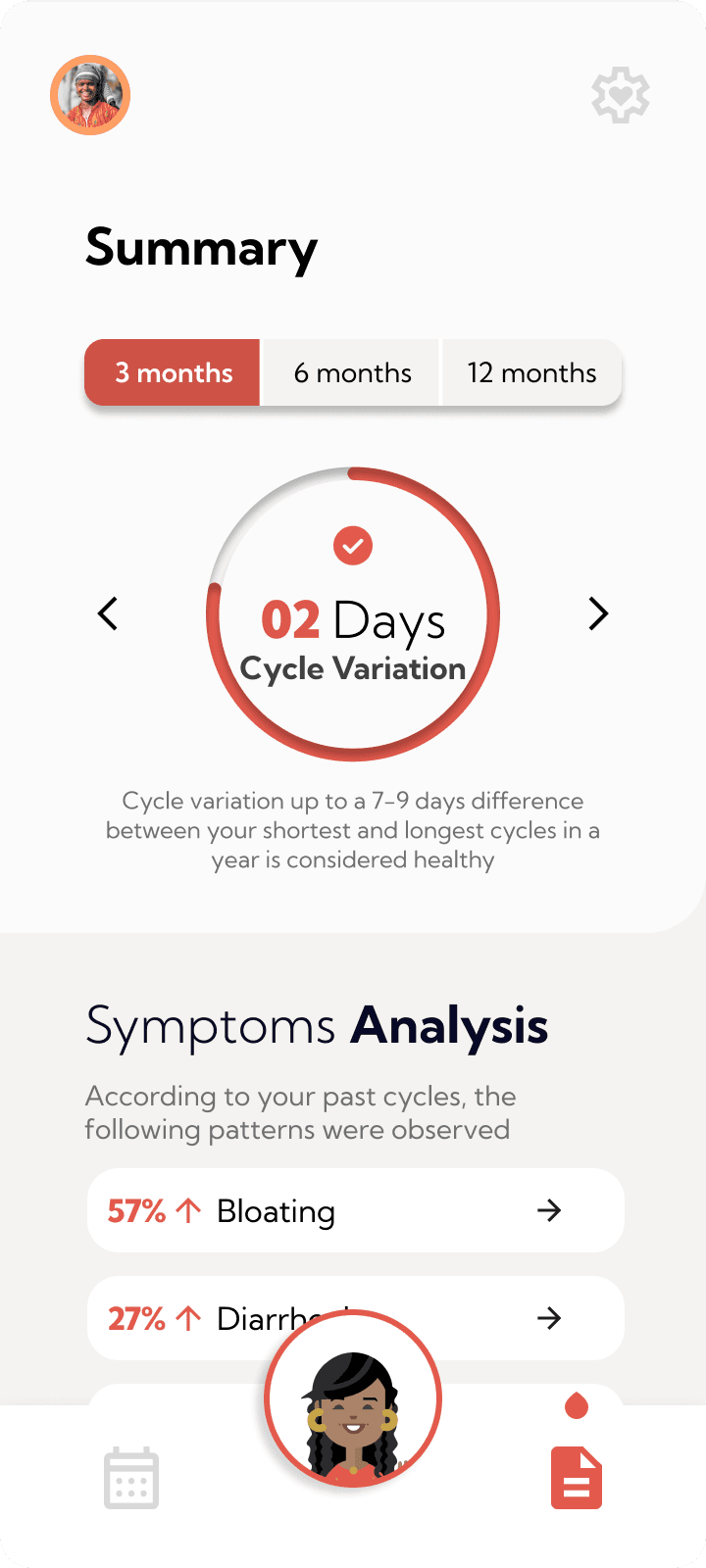
After
"I can understand the comparison much better now, and the small explanation really helps. I just wish the text or section was a bit bigger for easier reading."
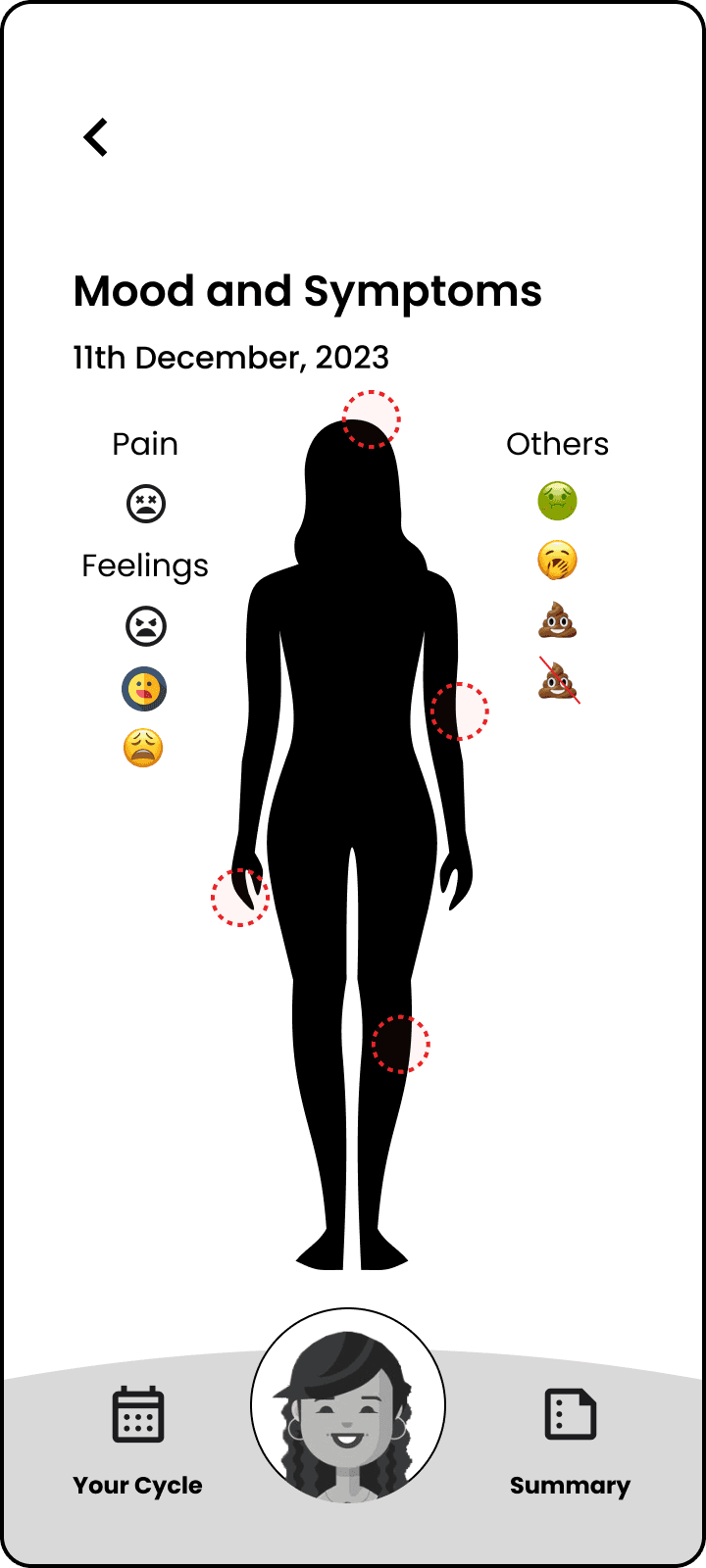
Before
"During my periods, I feel pain in different parts of my body at different times. In this overview, I usually end up clicking the worst option, even if it doesn’t reflect all the variations. I’m worried it won’t give accurate data."
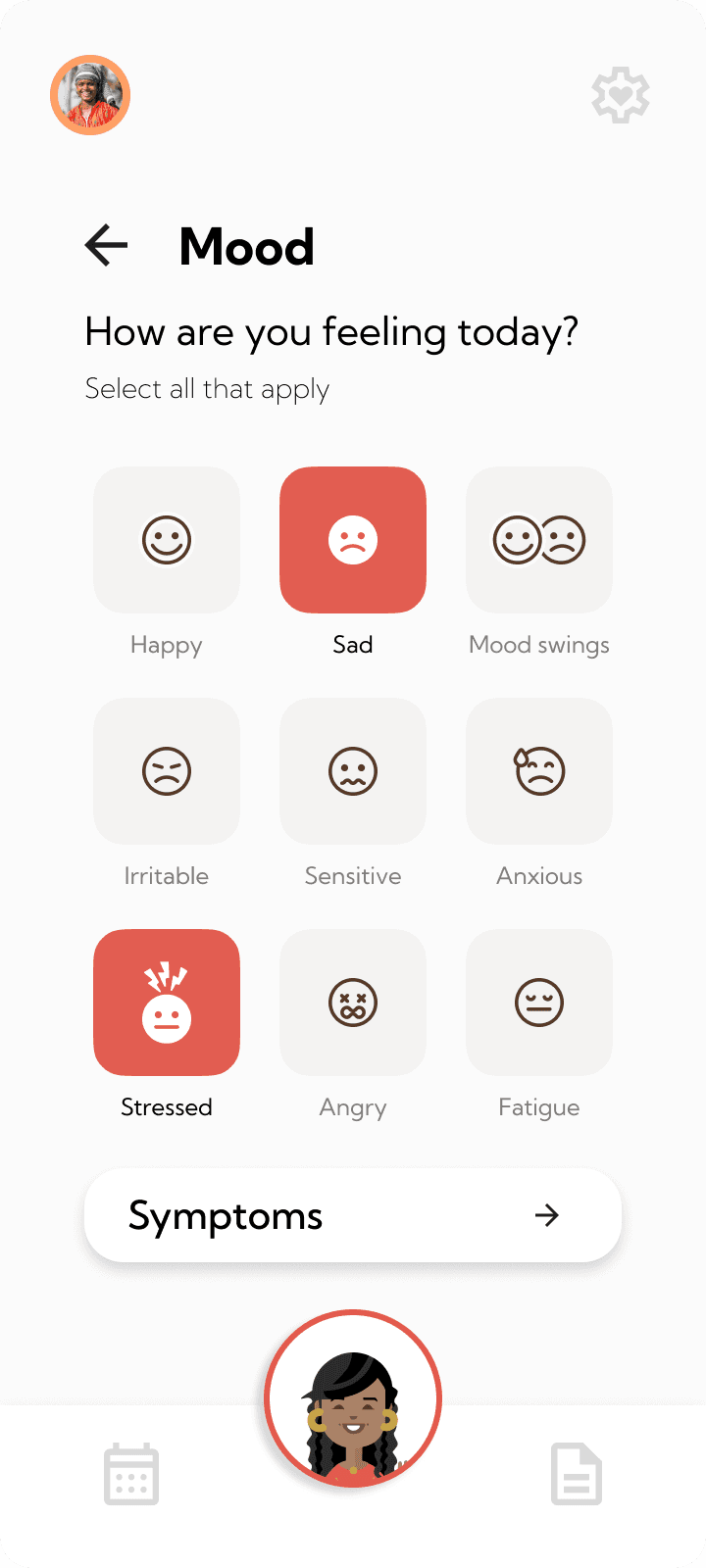
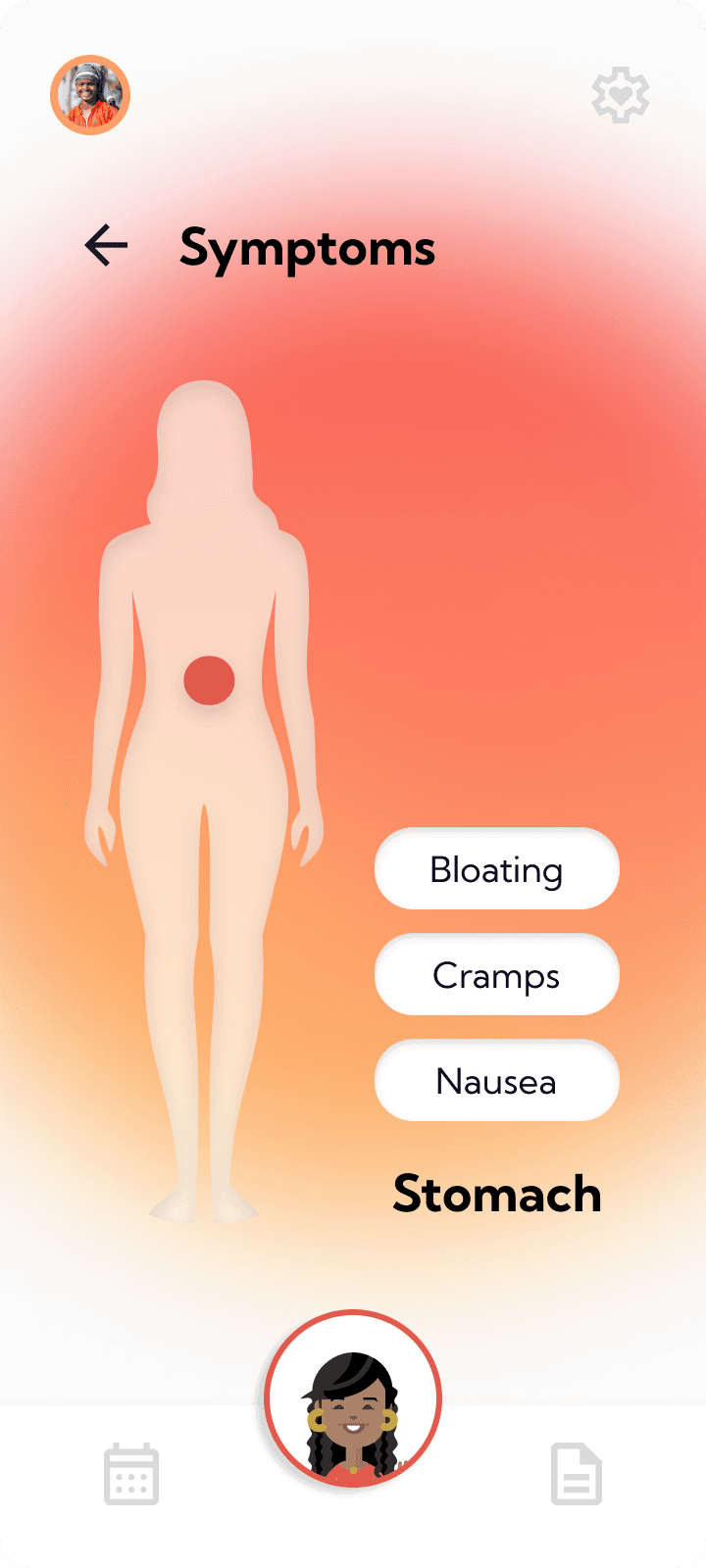
After
"I prefer this experience now, even though it takes an extra screen to enter the data. I like that I can select each part of my body and choose different pain levels and other symptoms. It gives me more control and feels more accurate."
Scope
019
Future Scope
The current objective of this application is to debunk myths, raise awareness about menstruation and its significance, initiate dialogue among women, and ultimately empower them.
To achieve this and take the project forward the following could be done :
Previous Project
Vegapay
Next Project
Next-Gen Benefits